
Truth Matters Part 2: Why Truth Is So Hard to Find Together
Last week, in Truth Matters Part 1, Mark argued that truth is still relevant even as it grows more elusive, and that a nation which stops believing in a knowable truth is left with only coercion or endless shouting. We promised to walk through the specific forces driving the polarization that makes truth so hard to pursue together. Here are 10.
None of this is new territory for us. We've been reflecting and working on these dynamics for a while, from our defense of compromise and the in-group moderate to our reflection on forgiveness after President Carter's funeral. The list may seem insurmountable, but as we near the mid-term election in a month, we wanted to name the weather conditions within which this particular storm is taking place.
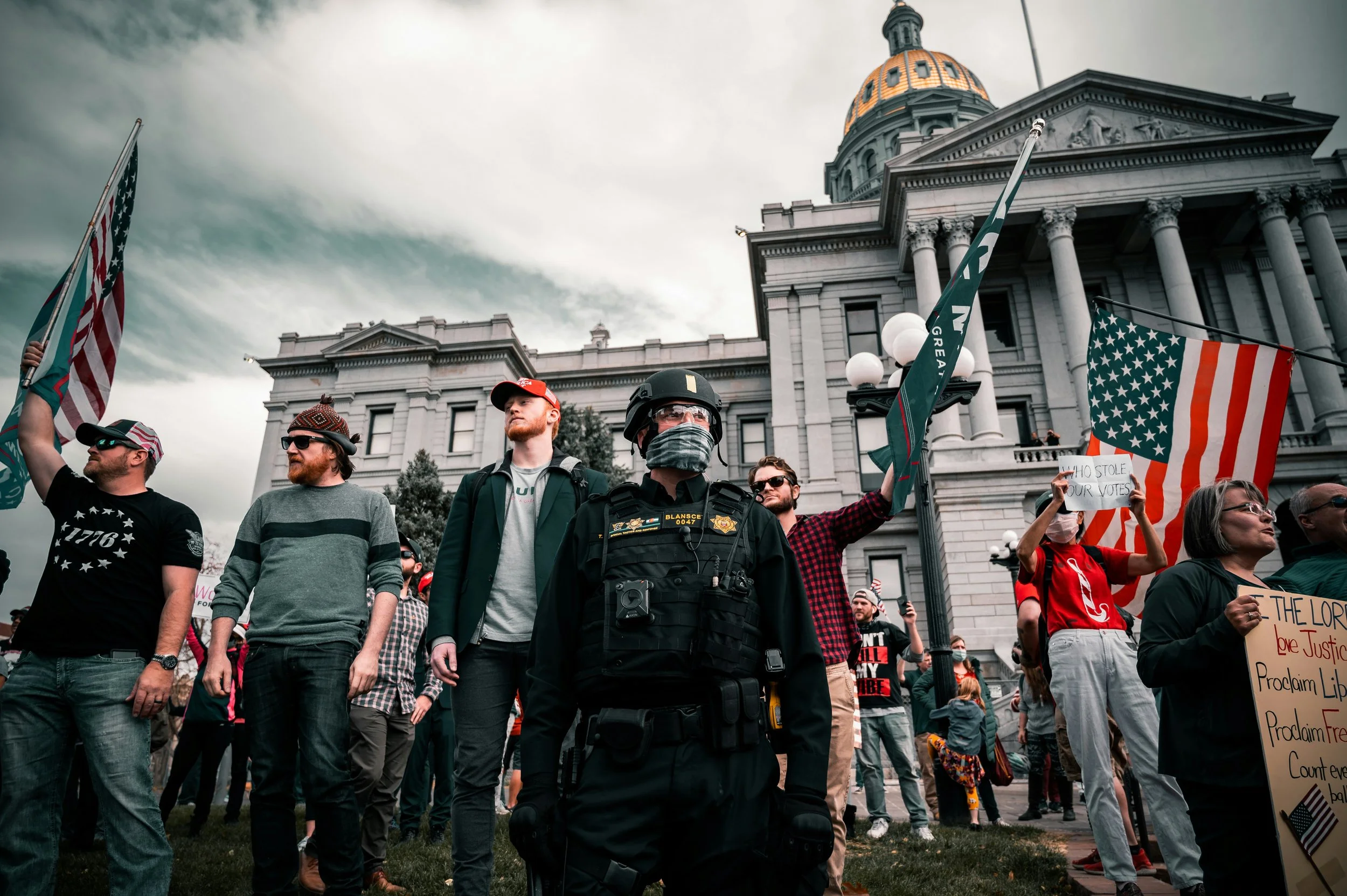
1. Tribal dynamics. We have become tribal as a nation, and tribalism feeds on itself. The sharpest attacks are often reserved for moderates inside one's own camp, a pattern we explored in In Defense of Compromise and the In-Group Moderate. New research suggests the problem runs deep. In experiments published this July in the Journal of Experimental Psychology: General, participants who held more extreme views, felt threatened by the other side, and saw issues in moral terms tended to view moderate positions as supporting their opponents. The other tribe is cast as the enemy, not as people who are mistaken but as people who are malicious. Then purity politics sets in, with each tribe policing its boundaries and demanding ever-greater loyalty. The result is isolation within the tribe and caustic combat between tribes.
2. Misinformation and AI. As Mark wrote in Part 1, the same technology that can converge on a verifiable proof can also be turned loose to manufacture convincing falsehoods at scale. The effect is not only that people believe false things. Real evidence can be waved away as fake, and agreeing on what is true becomes harder every month.
3. Intentional external agitation. Some nations have a stake in divided and distrustful America. A fractured country is less able to act with unity and resolve, which makes it easier for rivals to advance their own interests, whether globally, or regionally. They did not create our divisions, but they know how to deepen them.
4. A two-party system that makes it lose-lose. If there is no shared flourishing to compete over, the logic becomes zero-sum: one side must defeat the other. This is the dynamic Washington warned about in his Farewell Address, where he cautioned against the spirit of party and urged a wise people to discourage and restrain it. Primary elections may compound this divisive dynamic. When the most committed wings of each party largely decide who gets nominated, officeholders are pushed to be more extreme than the people they represent. Their rhetoric then pulls the country further apart, and the cycle repeats.
5. Sorted and separated: fewer places to meet people who differ. Some suggest that Americans are increasingly sorting themselves geographically, with red places getting redder and blue places bluer as people move closer to their tribes. Scholars remain divided, as some studies find rising partisan segregation, while others dispute these findings. If the effect is real even in part, it means fewer encounters with neighbors who see the world differently, and less awareness that there are broader perspectives than those in our own backyard. This coincides with a trend Robert Putnam identified in Bowling Alone: Americans withdrawing from the leagues, clubs, congregations, and other voluntary associations that once put people of very different backgrounds side by side. Those places built social capital across dividing lines, often without anyone intending it. As they thin out, so do the relationships that carry us through disagreement.
6. Outrage media. As media fragments, outlets compete for shrinking audiences, and often the fiercest competition is for the audience they already share with their allies. Some conservative outlets attack other conservative outlets for not being conservative enough, and the left does the same. Books sell because they speak to tribal audiences, and blogs grow when they become more extreme. Outrage is a business model.
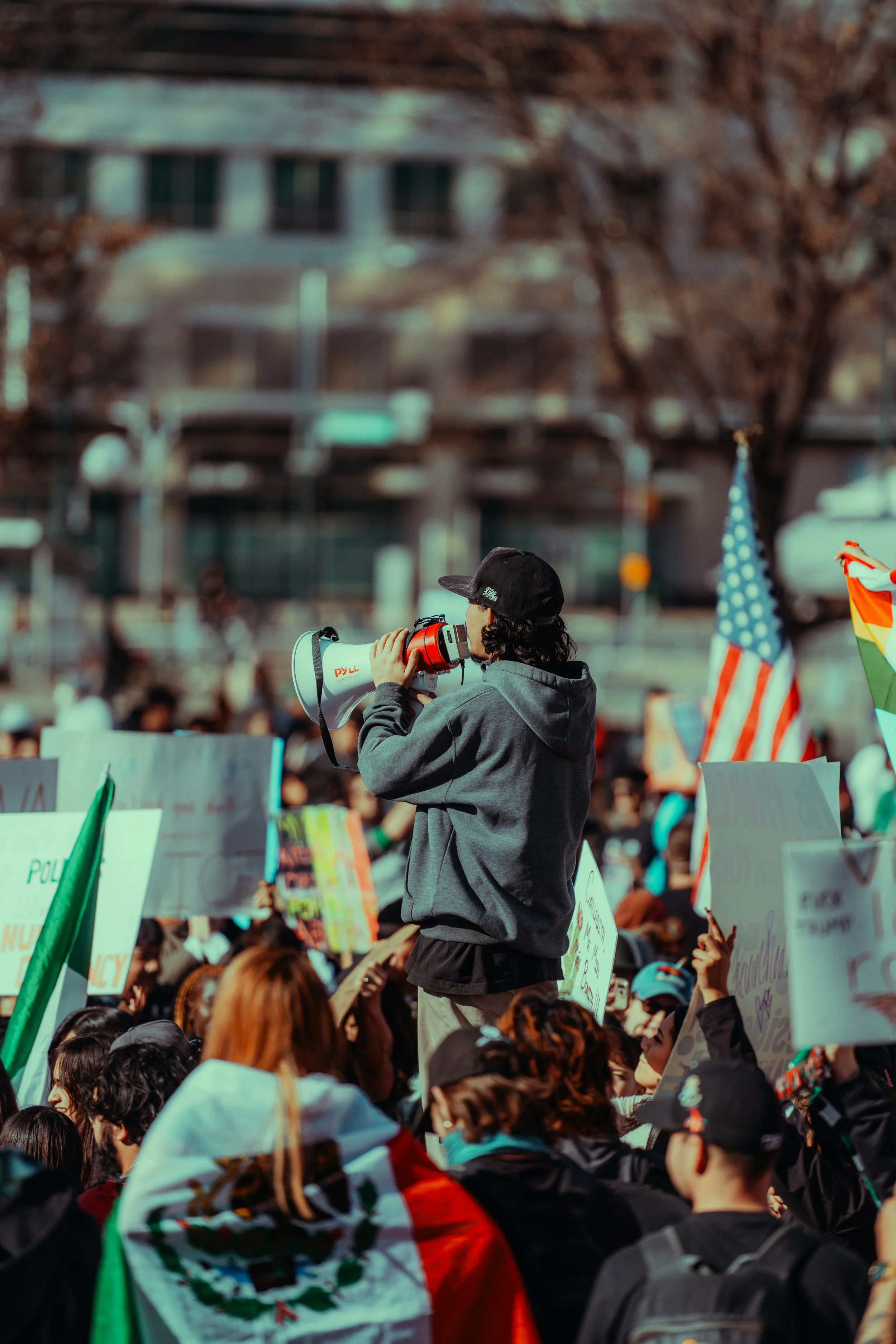
7. Social media mechanics. Platforms reward whatever provokes the strongest reaction, and outrage provokes. Their algorithms also learn what we already believe and serve us more of it. Over time, we come to think our view is simply common sense and that those who differ are outside the bounds of reason.
8. A shortage of heroes who work across the divide. Who in our culture is held up as courageous for working with the other side? Too rarely does anyone gain status for it. In a purity culture, compromise is weakness at best and betrayal at worst, and those who attempt it are attacked rather than admired. As we argued in our defense of the in-group moderate, we need to uphold such people as heroes who take friendly fire to fight for common ground. Mark noted in Part 1 that Robert George and Cornel West are admired precisely because they are rare. We need to see compromise, pursued with conviction, as a virtue and not a vice.
9. Loss of a shared narrative. We used to watch many of the same shows, read many of the same books, and follow many of the same news sources. Those common references gave us a shared picture of how the world is and how it should be. As media has fragmented, we increasingly inhabit different story worlds with different reference points, and it is harder to argue productively when we don't share a vocabulary or a set of stories. This is one reason we invest in telling stories that Americans of different perspectives can claim together. Our work on Marblehead, the story of the first racially integrated American military unit and Washington's Delaware crossing, and on Roosevelt and Muir, two very different men who dropped politics for a few days in Yosemite, are both efforts to build that kind of common narrative.
10. Loss of trust. Americans have never fully trusted the government, but the erosion now reaches nearly everything, including religious institutions, the press, and the professions. In Gallup's June 2026 poll, as reported by Axios, an average of 27% of Americans expressed a great deal or quite a lot of confidence in the 14 institutions Gallup has tracked since 1993, just one point above the all-time low set in 2023. Similarly only 27% of Americans give high ratings to clergy’s honesty and ethics, a 29% drop from the early 2000s, when 56% of Americans indicated high trust in the profession. This was the steepest drop of all professions and it is telling that many Americans no longer have confidence in the very people commissioned with sharing eternal Truth.
When shared institutions can't be trusted, people look for someone who can be, and they tend to trust the tribal leaders who have risen in their own camps, often by taking the most extreme positions.
None of these 10 forces works alone, and that is the real problem. Tribalism is amplified by social media, which feeds outrage media, which thrives in a sorted landscape with few places left to meet. Trust erodes and no common story remains to rebuild it, while foreign actors and AI pour accelerant on top. In that environment, truth doesn't lose a debate. It loses the shared ground on which any debate could happen.
Paul told the Ephesians to speak the truth in love. Almost every driver above works against one half of that instruction or the other: outrage strips out the love, and tribal comfort strips out the truth. Overcoming polarization will take rebuilding both, together.
In our next post, we'll turn from diagnosis to a related list of “best practices” that we have encountered in our efforts to address systemic polarization. Our hope is that the list can give you hope that the weather can produce the conditions for a calm after the storms of polarization we have been experiencing for over a decade now.