Naked No More: Faith and the Public Square
When recognizable religion is excluded, the vacuum will be filled by ersatz religion, by religious passions and ambitions that are not formally recognized as such.
— Richard John Neuhaus, The Naked Public Square (1984)
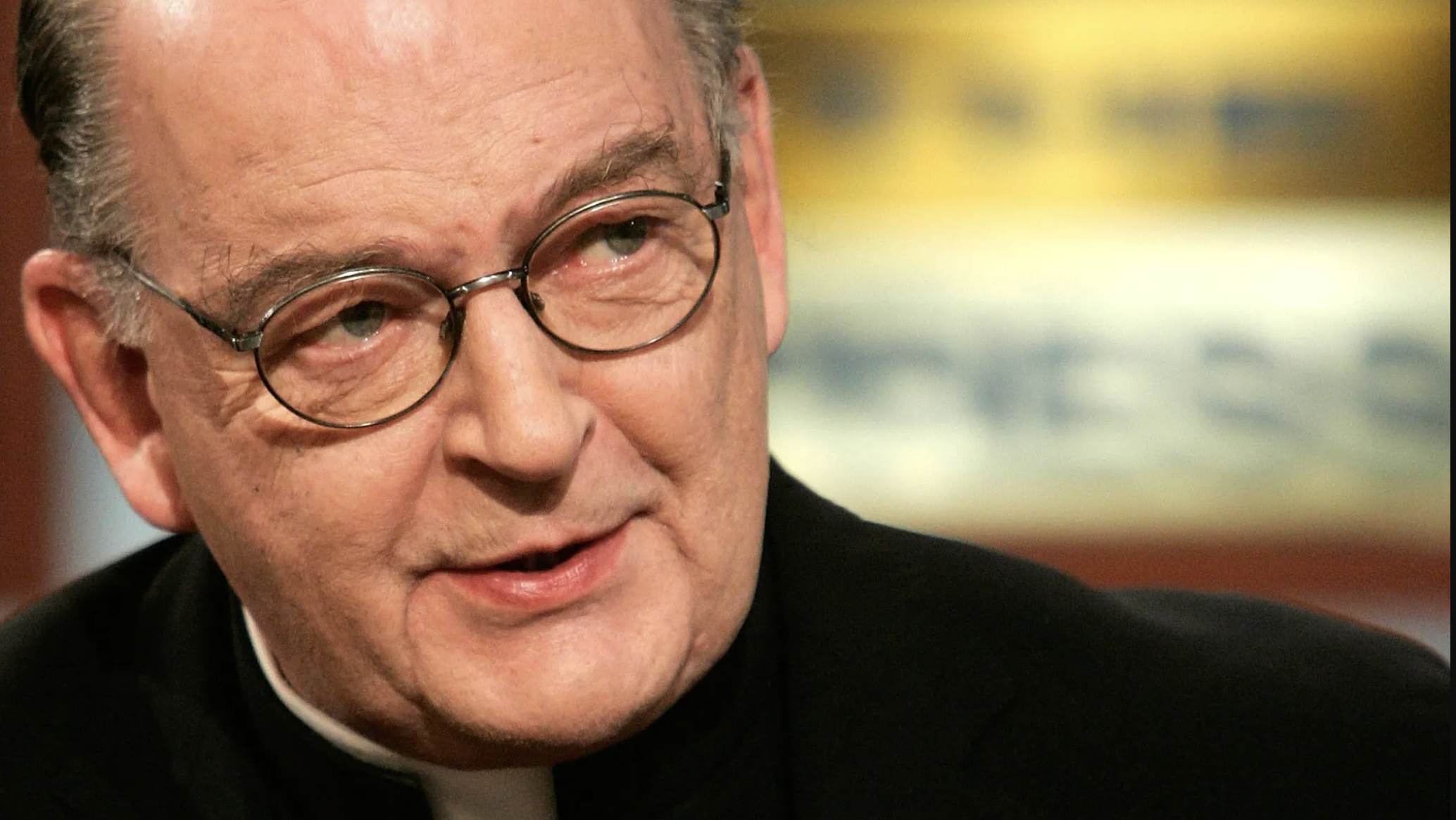
Richard Nehaus
In 1984, when The Naked Public Square by Richard John Neuhaus was first published, I was cutting my teeth in politics, working on a congressional campaign in Texas. Neuhaus diagnosed something I felt but could not name: public life seemed emptied of the religious convictions that shape most Americans, and the emptying was being defended as neutrality. A public square stripped of religion is not neutral, it is occupied by a particular ideology pretending not to be one. A square stripped of religion will not stay stripped, Neuhaus contended, as the religious impulse, which is inherent in most people, will push back to be included in the public debate.
In part because of Neuhaus’ insights and encouragement, I began attending seminary to study “public theology.” Forty years later, I find myself returning to his book. Neuhaus’ argument is that the Founders did not establish secularism, they established disestablishment. The First Amendment was designed to prevent the state from favoring one religious tradition over another, not to evict religious conviction from civic discourse. The Founders assumed a public square thickly populated by religiously formed citizens, and saw this as essential to the health and future of the Republic. They drew the line at the state endorsing a particular creed, but not at the culture being shaped by the faith of its people. When we treat church-state separation as a mandate for a secular public culture rather than a religiously neutral government, we do not produce a more pluralistic and tolerant civic life, we produce a vacuum. Neuhaus warned that the vacuum would be filled either by a secular liberalism that treats moral questions as private preferences, or by an aggressive religious reaction that noisily and overtly refills the square.
Our challenge as a society is whether to affirm and invite a healthy role for religion and the public square, or whether the “ditch to ditch” swing that is defining our polarized nation will result in religious factions powering themselves in, followed by pitched battles to force them out again.
Religion researcher and Substack writer extraordinaire Ryan Burge has recorded the sorting and hollowing of religion in America in his recent books The American Religious Landscape (Oxford, 2024) and The Vanishing Church (Fortress, 2025). The religiously moderate middle of American life is collapsing at the same time that political partisanship has become the master identity of our lives and–tragically–our primary lens. I used to argue that politics was downstream of culture, but Burge and others have argued that politics and political ideology are now upstream of everything.
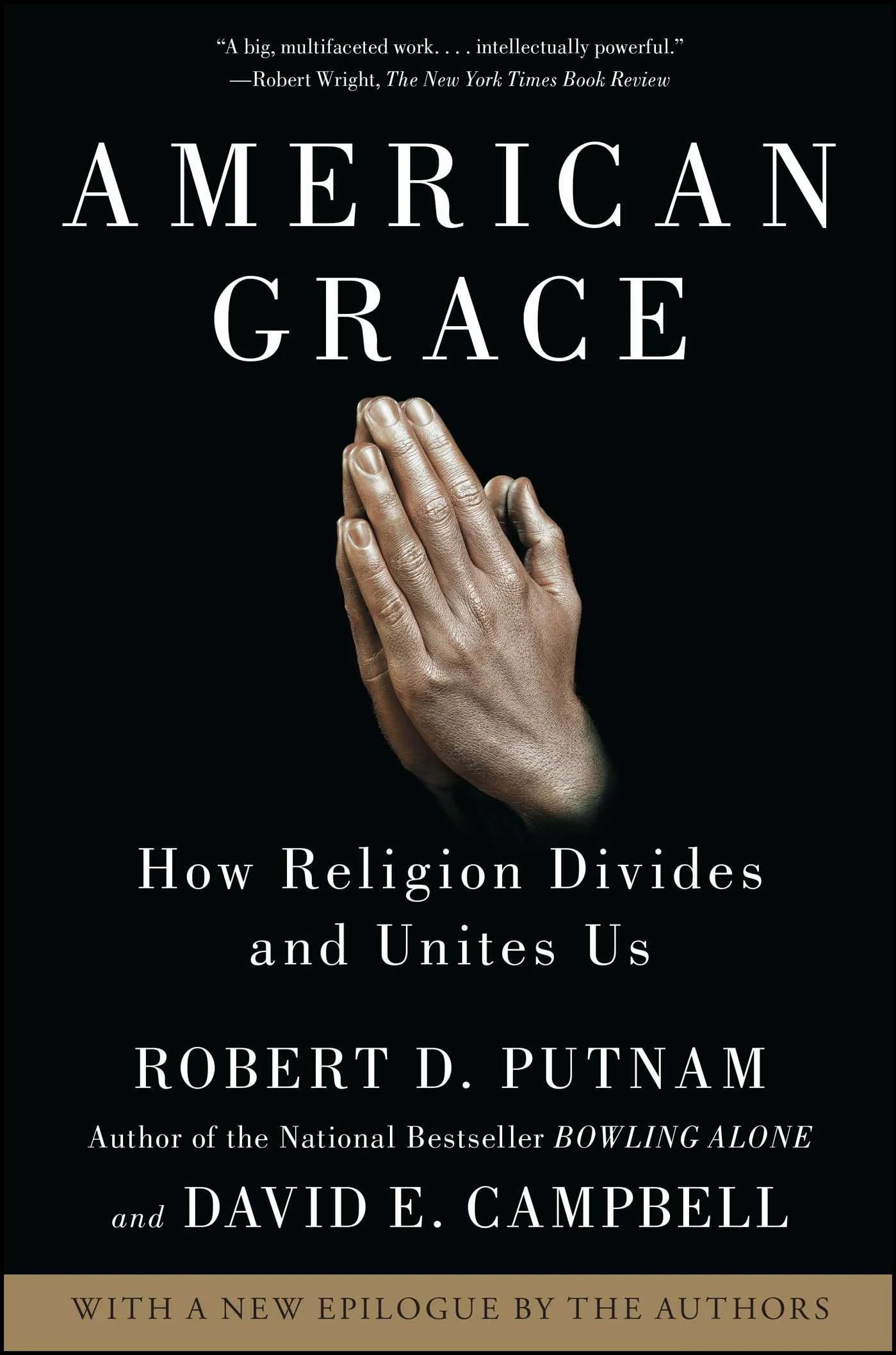
Harvard sociologist Robert Putnam’s American Grace (2010) is another book that shaped my understanding, and tells the same story from the other end: the politicization of religion in the 1980s drove a generation of moderates and progressives out of the pews entirely, producing the first great rise of the Nones. The cultural reaction to elite secularism produced the religious reaction to elite secularism, and the religious reaction has now produced a counter-reaction of its own.
What their work demonstrates is that secular attack on religion in public life does not produce more pluralism, it produces religion that is more fervent, more reactive, more concentrated, and less pluralistic. Push religious citizens out of the public square and the center hollows. And with the assistance of social media enticing us into smaller and smaller ideological segmentation, religious and anti-religious cohorts become more aggressive, politically uniform, aggrieved, and more willing to enlist power mechanisms to enforce their voice. When you drive faith from the public square you do not get a neutral civic life, you get a civic life increasingly shaped by the most concentrated religious or anti-religious energies, because those are the only energies left with the determination to keep showing up.
And in its most extreme form, this dynamic produces something worse than political polarization. It produces violence against, and even by, religious voices themselves.
On September 10, 2025, Charlie Kirk was assassinated at Utah Valley University by a sniper motivated, it seems, by his views on Kirk’s religiously informed convictions. On Monday morning of this week, two teenagers, motivated by their anti-immigrant and anti-religious views, opened fire at the Islamic Center of San Diego, killing three people. Rabbi David Ingber, founder of Romemu, a Jewish congregation in New York City, wrote in The Free Press that “[t]he actions of these two young men, rooted in ideologies of hate, can never be excused or justified. Full stop. And our willingness to say so cannot falter or fail based on our politics or our differences with the victims.”
Firmly held, but temperamentally moderate and tolerant religiously articulated voices in the public square, like Rabbi Ingberg’s, are what we need more of. Will we begin to see more faith voices invited back into the public square, or will voices that feel under attack rely on power levers to be heard?
On Monday night at Walt Disney World, we were surprised to hear Josiah Queen, a Christian recording artist, perform as a lead artist for their Garden Rock concert series to an overflowing crowd of families. There were lots of mouse ears in the audience, but no visible red hats. The performance was unremarkable in that the setlist is the kind of music that now routinely lands on the Billboard Hot 100 alongside artists like Jellyroll who won three Grammys this year, including for Best Contemporary Country Album. Looking further down the list of upcoming artists, I was surprised to see Maverick City, a multi-racial Christian worship band, on the docket.
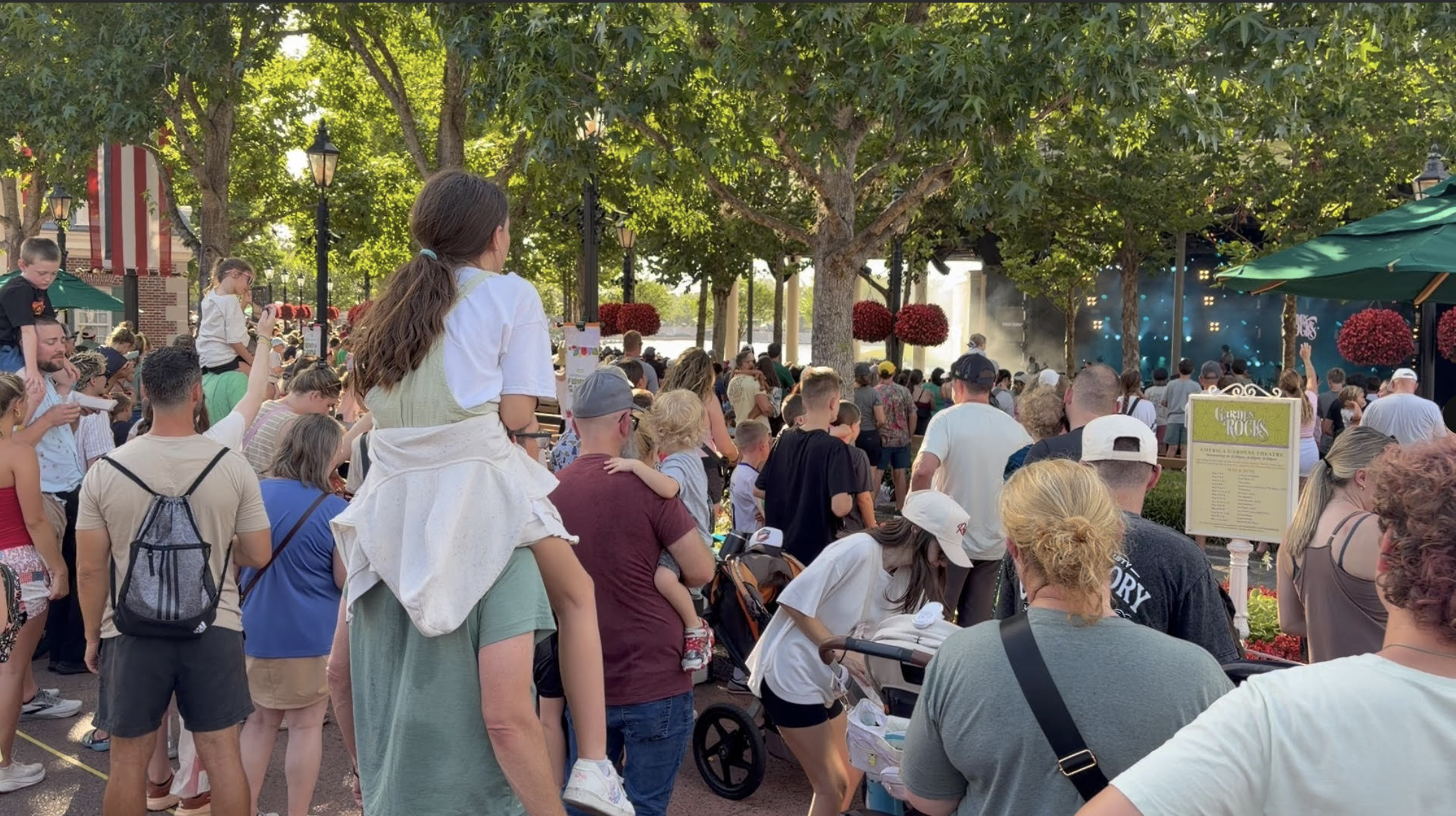
Josiah Queen Performance
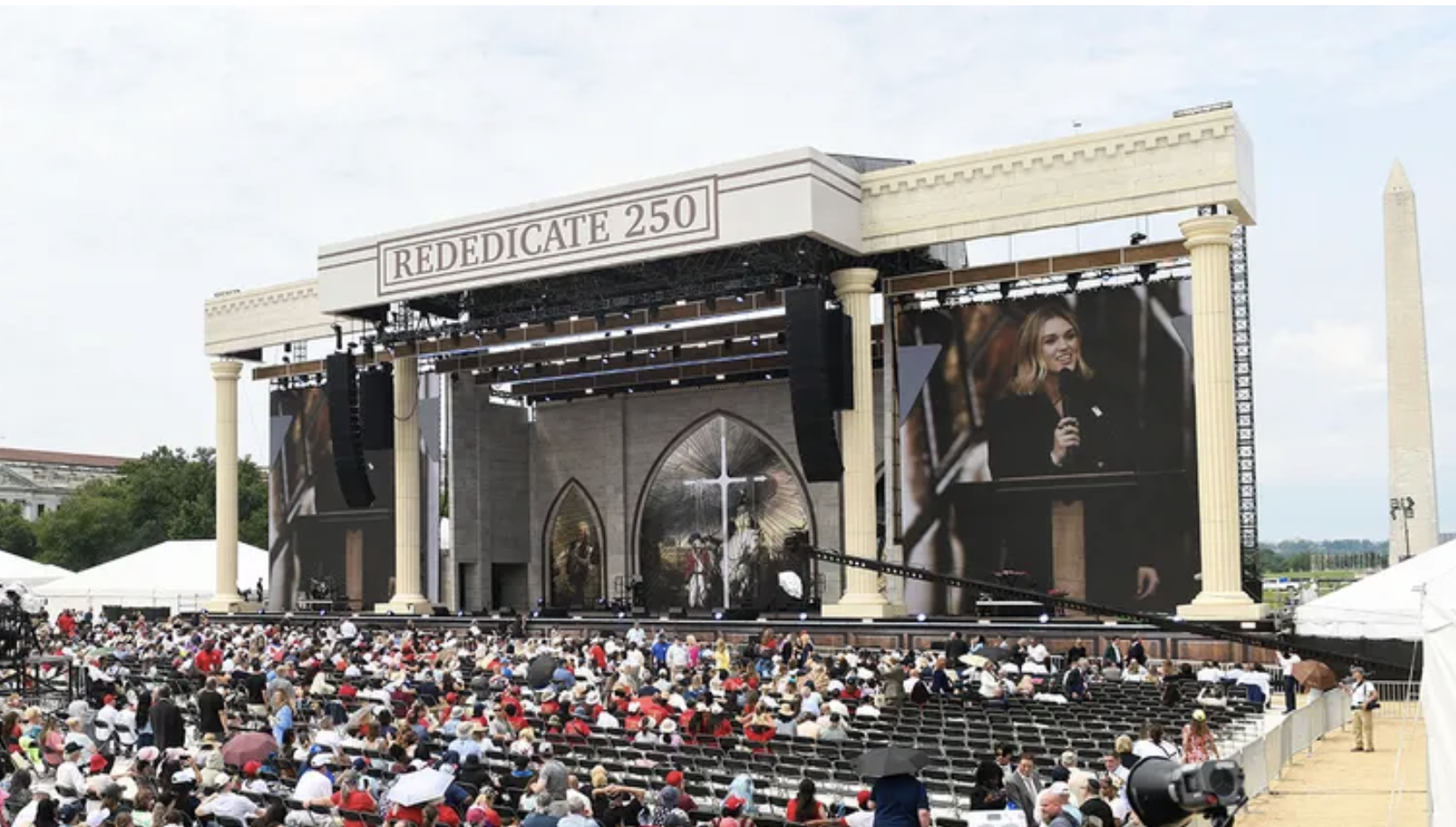
Did the music put off some park guests? Possibly, but Disney has long welcomed religiously informed images and stories such as Mulan, Pocahontas, and Moana on the strength of the art, and Josiah Queen's performance fits that same pluralistic pattern that they have embraced. Back in Washington, the public portrayal of faith at the White House-sponsored Rededicate 250 event on the Mall controversially represented a small, but vocal sliver of Christianity. The controversy was due in part to Eric Metaxas’ comments that “it’s hard to believe that it would take two centuries for the Lord to raise up a great man to bring that ballroom finally to stand where it needs to stand,” a reference to the contested $400 million White House construction project the President has described as “a monument to myself.”
In my mind, the two events sit oddly together. Faith is more publicly visible in American life than it has been in a generation, but there are profoundly different avenues for how religious conviction enters the public square. The first is religion entering through culture, invited on the merits of its art, welcomed by a democratic society whose appetite for serious faith content has plainly returned. The second is religion entering through the state, ceremonially endorsed by the government, led in part by leaders who have felt excluded from the public square. From Neuhaus’s framework, the first is exactly what a healthy democracy permits and benefits from, while the second is what he cautioned would happen if faith is banished from public life.
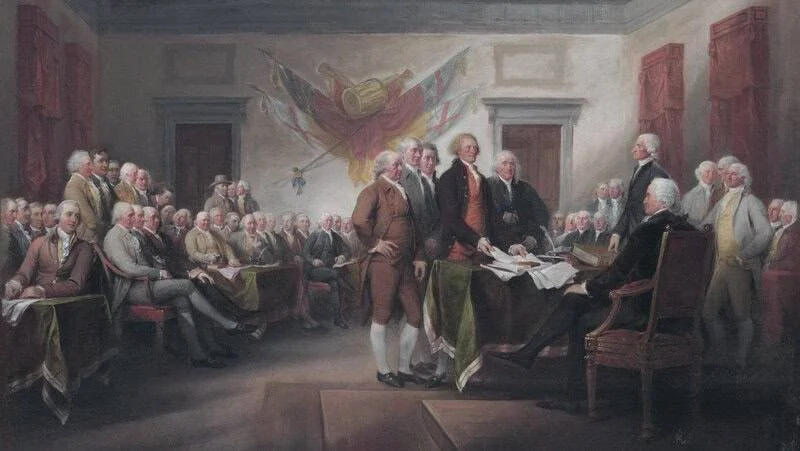
Forty years ago, Neuhaus argued that the response to a naked public square is a thoughtful and permissive posture toward religious citizens expressing faith-informed views in public deliberation, while maintaining the state’s neutrality among creeds. Citizens with religious convictions are not strangers in a democracy–they are full participants whose presence enriches the moral seriousness of public argument. In fact, it’s important to remind ourselves during our 250th celebration that the architects of our Republic saw religion as essential to the health and flourishing of our democracy. Washington even argued in his farewell address, "[o]f all the dispositions and habits which lead to political prosperity, religion and morality are indispensable supports".
In his book, A Free People’s Suicide: Sustainable Freedom and the American Future, Os Guinness describes a “golden triangle of freedom.” Freedom requires virtue, virtue requires faith of some sort, and faith of any sort requires freedom. Pull any side from the triangle, and the structure falls. A democracy can be religiously pluralistic without being religiously empty. The Founders’ achievement was the architecture of that triangle, not the destruction of one of its sides. The state remains religiously neutral, the culture remains religiously vital, and its citizens remain religiously free.
The project of restoring the older settlement is being carried out, often quietly, by institutions and leaders in multiple sectors of American life. As president of the University of Florida, former Senator Ben Sasse labored to make American higher education a place where religious students and faculty are recognized as full participants in intellectual life rather than chaplaincy-confined visitors. The Faith and Media Initiative (FAMI) has built a global research and convening apparatus for reintroducing religious literacy to journalism and entertainment, with the Coalition for Faith & Media bringing together cultural producers, faith leaders, and writers across traditions. Brian Grim’s Religious Freedom & Business Foundation has done parallel work in the corporate sector. He demonstrates that religion-friendly workplaces are more productive, more inclusive, and more peaceful, while the cost of pretending employees have no spiritual lives is paid in disengagement and distrust. These efforts deserve more philanthropic attention than they get. They are doing, in their respective sectors, what Neuhaus argued must be done across the culture as a whole.
Clapham is preparing a longer report that examines the trends shaping American religion in this cultural moment based on data Burge and others have surfaced, the dynamics Neuhaus anticipated, and the implications for the institutions, philanthropies, and cultural producers we work with. At 250 years, we are not at the end of a story; we are–hopefully–somewhere in the middle of a reclothing of the public square. Whether what fills it is generous, pluralistic, and beautiful or reactive, narrow, anxious, and coercive depends on choices many of us still have time to make.
As Neuhaus wrote,
“[i]n a democracy that is free and robust, an opinion is no more disqualified for being ‘religious’ than for being atheistic, or psychoanalytic, or Marxist, or just plain dumb.”