Can We Celebrate the Super Bowl Marriage Together?
"It's a journey, really, a marriage. You go up, you go down, you make mistakes … Some days are good. Some days are terrible. Some days you just drift apart for a while but you get back on the horse … I couldn't live without her.”
— Ozzy Osborne
Did you watch the Super Bowl?
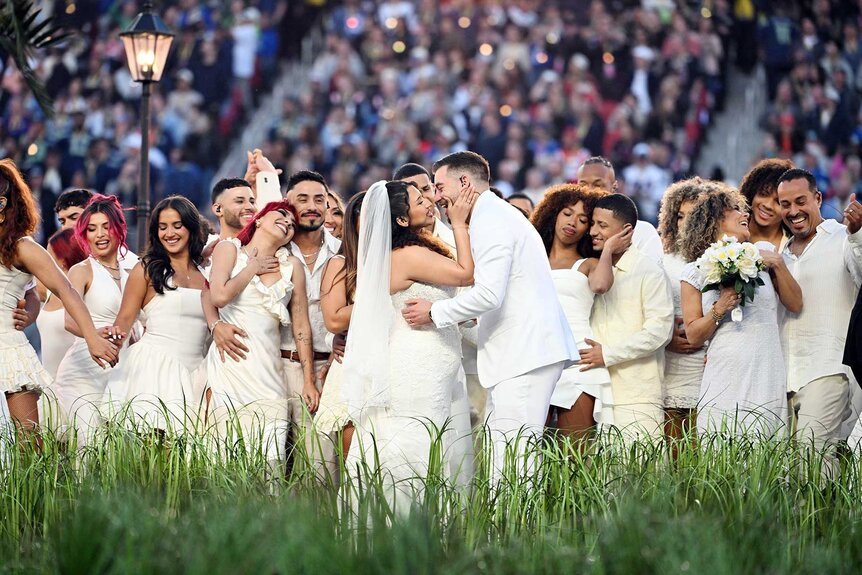
If you did, you witnessed something remarkable—not the game (which was mediocre) – and not just Bad Bunny's halftime performance (which was the most viewed in the history of the Super Bowl) – but something that transcended our cultural divides: a real, live wedding ceremony broadcast to millions of Americans.
Whatever you think of Spanish-language music, immigration policy, or the broader cultural battles preceding this year's halftime show, the Super Bowl wedding is something we can all celebrate. And if we're serious about rebuilding American communities and our children’s wellbeing, we should.
In our last blog post we expressed hope that the half time show would be one we could watch together as a shared experience, noting the alternative that TPUSA was promoting for conservatives featured Kid Rock. In an era of declining marriage rates, rising out-of-wedlock births, and the documented collapse of family stability—particularly in working-class communities—seeing marriage elevated on America's biggest stage is exactly the kind of cultural moment conservatives and TPUSA should celebrate.
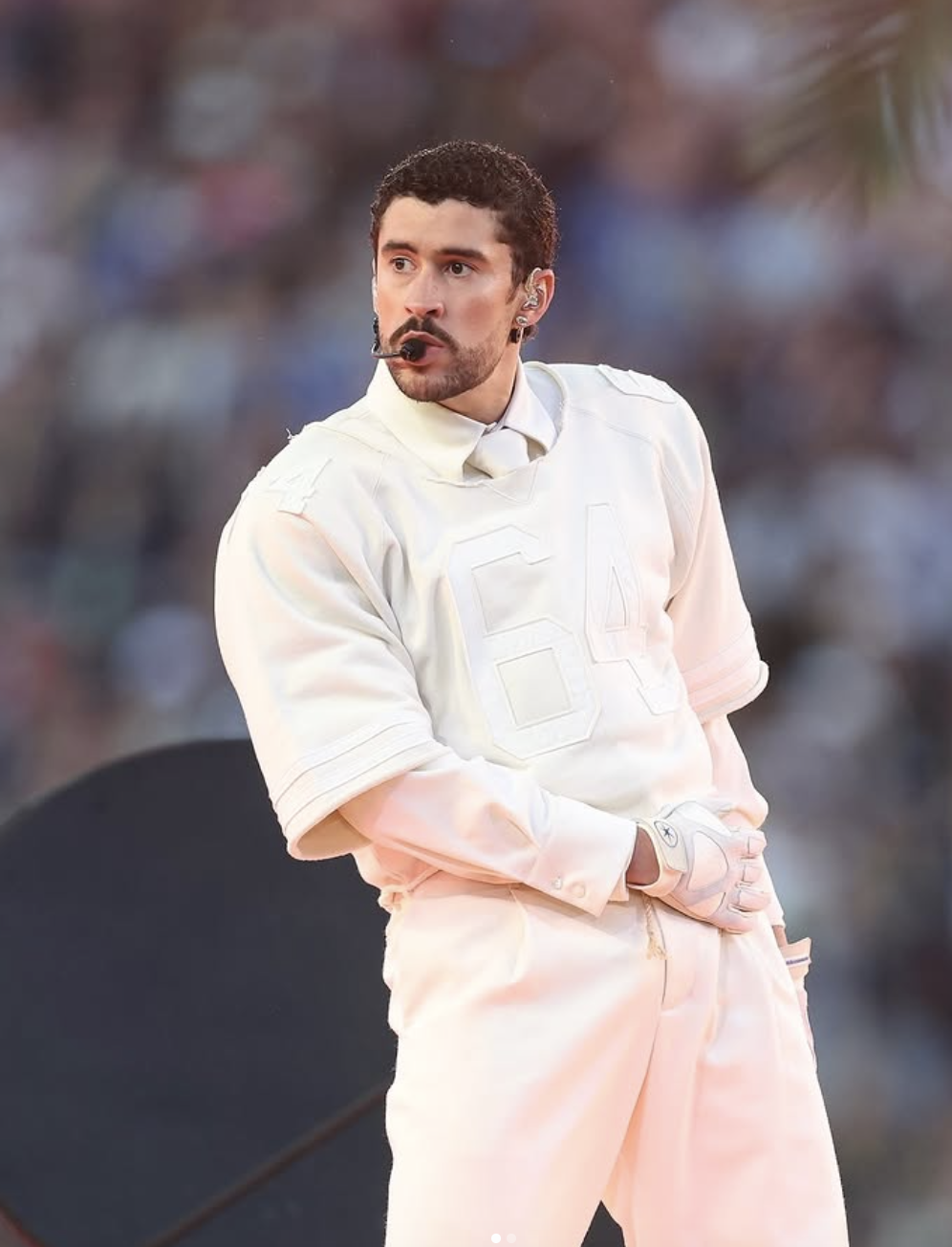
The couple literally at the center of the Super Bowl and the ceremony were Maria Rodríguez and Carlos Mendoza, both from San Juan, Puerto Rico. Their story began five years ago when they met at a community center where Carlos volunteered teaching music to children. Maria was a nurse who had cared for Carlos's grandmother during her final months. They invited Bad Bunny—a distant cousin of Carlos— to their wedding, and the result was a surprise wedding ceremony watched by over 100 million people, complete with traditional Puerto Rican elements and a message that marriage is highly valued and central to Hispanic culture.
The reaction from many conservatives was telling. Some rolled their eyes. The Daily Wire tweeted skepticism, suggesting the wedding was "a cynical effort to mask the legalization and normalization of illegal immigration." Even those who conceded that celebrating marriage was positive seemed hesitant to embrace it as authentic—as if the messenger somehow tainted the message.
But weddings are where families come together to celebrate, regardless of politics. In that sense, the Super Bowl offered a shared celebration we desperately need in our divided, polarized society.
The Clapham Group takes its name from the Clapham Circle, the community surrounding William Wilberforce in 18th-century England. Wilberforce had two great objects: the abolition of the slave trade and what was called the "Reformation of Manners"—a social movement to promote virtue and address the vices contributing to social breakdown.
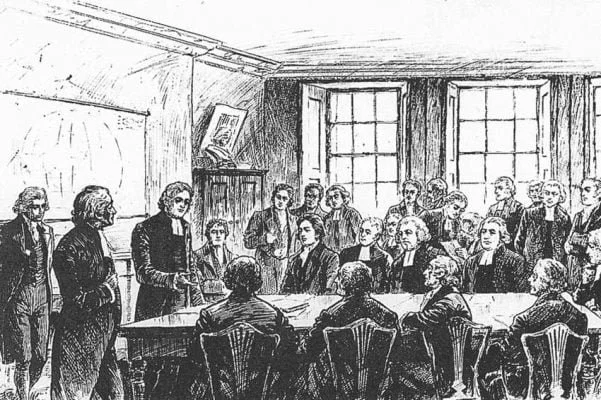
The Clapham Sect
At the heart of this movement was a simple insight from Hannah More, one of Wilberforce's collaborators. She wrote in her book Manners of the Great: "Reformation must begin with the GREAT, or it will never be effectual. Their example is the fountain whence the poor draw their habits, actions, and characters."
Or as she put it more bluntly: "To expect to reform the poor while the opulent are corrupt, is to throw odours (perfume) into the stream while the springs are poisoned."
In other words, cultural change often flows from the most visible places to the broader culture. Those with influence set the tone. Their choices, their celebrations, their public commitments shape the norms that cascade through society. Hannah More was addressing the influential of her day who were “moral” (or immoral) models: the aristocracy. In our day, for better or worse, this may mean sports figures, musicians, actors, and social media influencers for our youngest generations.
This isn't "virtue signaling" in the pejorative sense we use today. It's virtue modeling. And like it or not, it's how cultural change happens. A healthy republic cannot be maintained without a virtuous citizenry, and virtue must be visible to be viable.
And what more visible platform is there than the Super Bowl halftime show led by one of the world’s top-streamed artists?
The data is sobering. From the right and the left, sociologists have documented the collapse of marriage as a stabilizing institution in American life. Robert Putnam, in Our Kids, showed how the decline of marriage in working-class communities mirrors patterns that plagued urban Black communities for decades—patterns Daniel Patrick Moynihan warned about in his 1965 report “The Negro Family: The Case for National Action.”
Working for Senator Rick Santorum at the time, I was involved in the 1996 welfare reform (TANF) that explicitly promoted work and marriage. We understood then what remains true now: marriage matters. Children born to married parents have better outcomes across virtually every metric—educational achievement, economic mobility, mental health, and future relationship stability.
The "success sequence" research from the American Enterprise Institute's Ron Haskins and Brookings's Isabel Sawhill is clear: finish high school, get a full-time job, and marry before having children. Follow this sequence, and your chances of poverty plummet to just 2 percent.
From a Christian, Jewish, and Muslim perspective, marriage is the first institution established by God—before government, before society, foundational to human flourishing. The benefits are measurable: married couples build more wealth, experience better health outcomes, report higher life satisfaction, and raise children with greater stability.

Recently, our Social Capital Campaign has documented these realities extensively, including in our recent Hispanic community report. The breakdown of marriage isn't just a moral issue; it's an economic and social crisis affecting working families across every demographic.
However, promoting marriage through public policy is notoriously difficult. You can work to ensure marriage isn't penalized in the tax code or welfare programs. You can remove disincentives. But actually promoting it? That's harder.
Historically, the right has been uncomfortable using public funds to promote social norms. Some on the left have viewed marriage as inherently patriarchal—though interestingly, elite progressives marry and stay married at much higher rates than working-class Americans.
Hungary has tried aggressive marriage incentives—generous tax breaks, housing subsidies, loan forgiveness—but hasn't seen significant increases in marriage rates despite the investment. A recent Heritage Foundation report on family formation rightly focused on the importance of marriage but struggled with the "how" question.
My friends Brad Wilcox, Robert Rector, and Clapham associate Kiki Bradley have all supported the idea of a public awareness campaign promoting marriage for decades. The challenge has always been: How do you change culture when policy alone can't do it?
The answer is what Bad Bunny demonstrated: social cues from cultural elites.

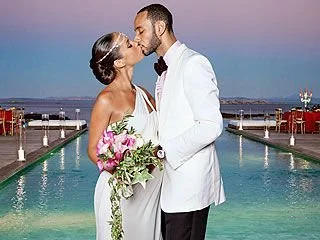
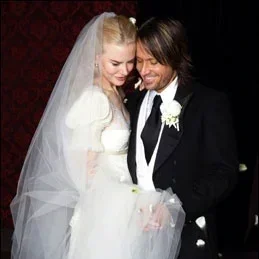
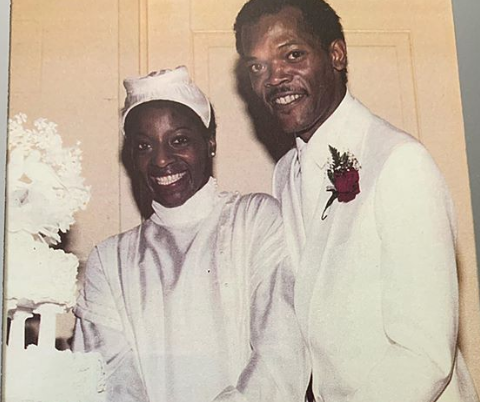
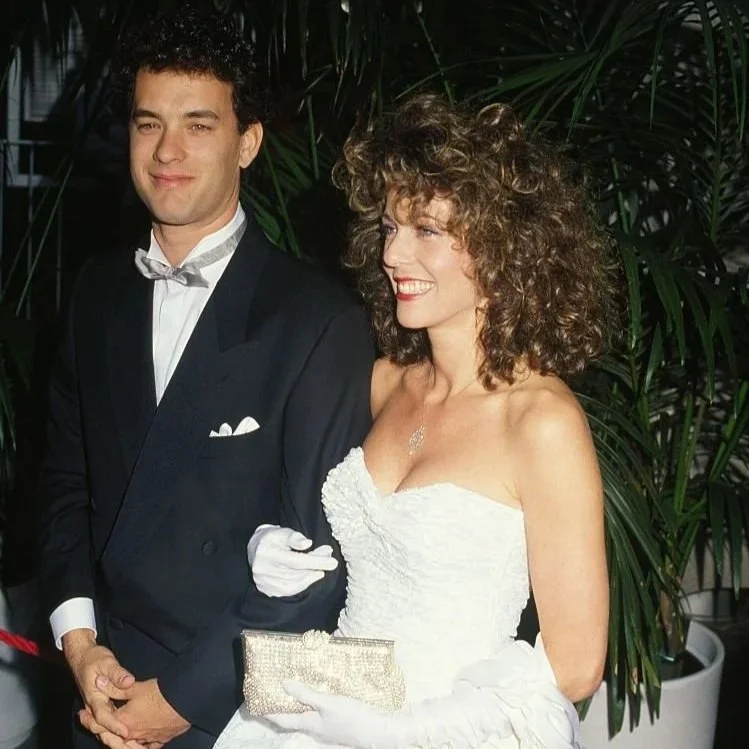
Marriage used to be the norm. It no longer is. For many young Americans, especially in working-class communities, marriage seems optional, unnecessary, or simply unattainable. What the Super Bowl wedding did was bring the elite to reach the masses with a simple message: marriage is worth celebrating. It's beautiful. It's important. It matters.
At a time when cohabitation and non-marital childbearing are common features of American life, the marriage ceremony publicly elevated a centuries-old institution that every major world religion and culture has recognized as foundational.
That's a public good, regardless of the language it was celebrated in.
I should note here that the show was not entirely virtuous, and not every element of the performance reinforced that message. Some lyrics and choreography (e.g., the twerking) were counterproductive, undermining the ceremony’s affirmation of lifelong commitment through marriage. Although teen pregnancies have declined in recent years, mixed messages don’t help; they confuse. If the goal is to encourage young men and women to see marriage as the right context for having children, consistency and clarity matter, and Bad Bunny’s lyrics weren’t consistent with the marriage ceremony’s message, to say the least.
But if, apart from the mixed message, we believe that celebrating marriage in the middle of the Super Bowl was a positive cultural moment—and I believe it was—then the question becomes: How do we maintain that level of celebration culturally?
We actually need more virtue signaling from those with influence, especially those committing to "till death do us part." We need more high-profile weddings that capture the public imagination.
We need more Travis Kelce and Taylor Swift (should they get there). More Justin and Hailey Bieber (who have stayed committed to one another despite the inevitable marital tensions we all have). More “royal” weddings that remind us that marriage is worth celebrating, including surprising examples like Sharon and Ozzy Osbourne, who until death did them part were married for better or worse for 38 years. When Wilberforce and More set up to promote “manners,” they didn’t just recruit the already religious and virtuous. They also called the often profligate elite to live into their responsibilities and serve as moral models, believing that such reform would benefit both society and the “elites” themselves.


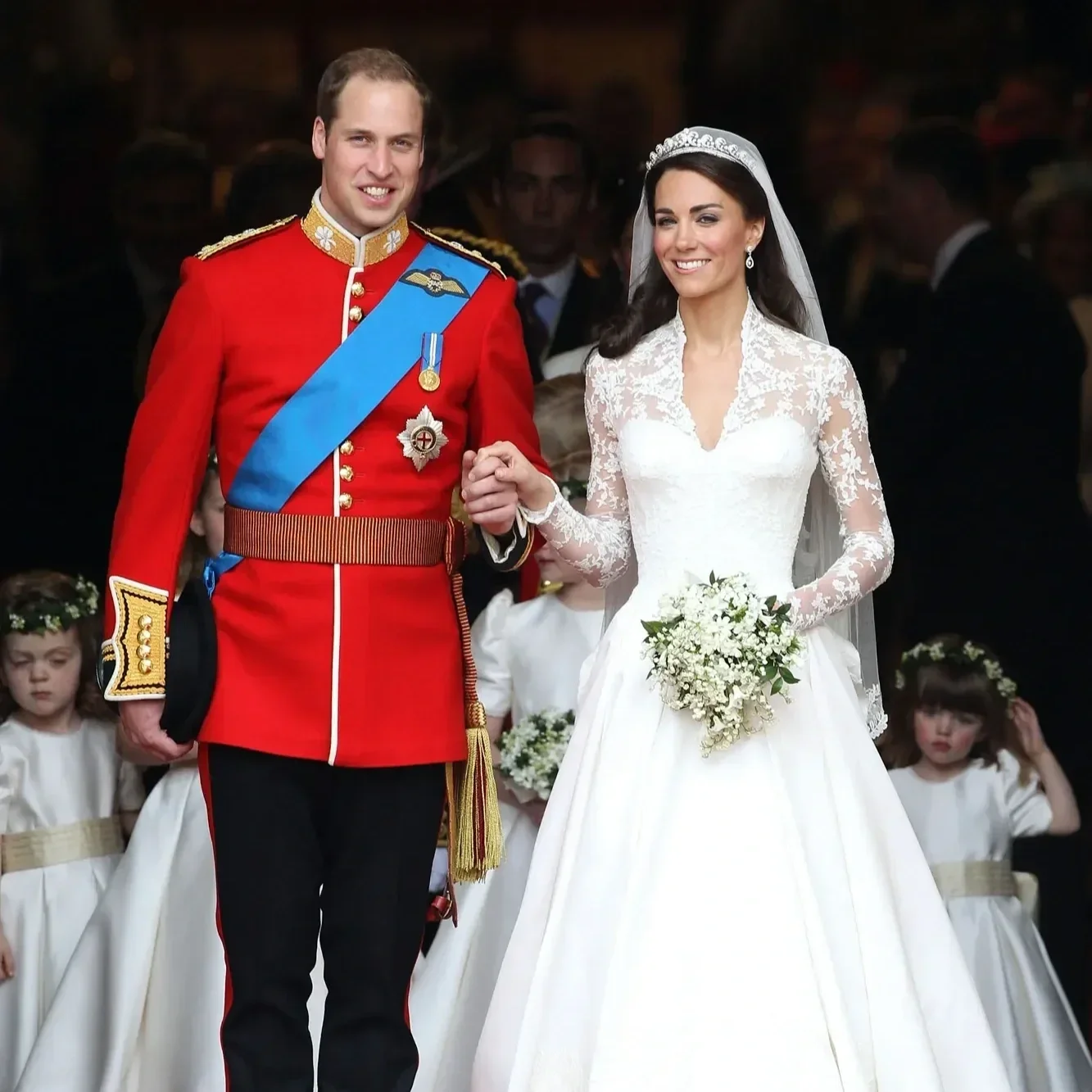
We need celebrities, athletes, musicians, and public figures who view their platforms not just as vehicles for personal brand-building but as opportunities to model the virtues and commitments that hold societies together.
In my previous post about the Super Bowl, I wrote about America as "a song yet to be written." Marriage, too, is a song—one of the oldest and most enduring melodies in human civilization.
The Super Bowl wedding wasn't perfect. The optics were complicated by ongoing political battles. The messenger was controversial and sent mixed messages. But the message about marriage—that love, commitment, and covenant matter—is one we cannot afford to dismiss.
If conservatism is about conserving what's best in our tradition and for society as a whole, then no institution is worth conserving more than marriage. Not as an abstract ideal or policy talking point, but as a living, breathing commitment modeled by real people making real vows before God and community.
Maria and Carlos likely didn't get married to make a political statement. They got married because they love each other and wanted to commit their lives to each other. That Bad Bunny chose to elevate their union on the world's biggest stage is something all of us—left and right, English and Spanish-speaking, skeptical and supportive—should celebrate.
In the end, we're all better off when more Americans choose marriage. When more children grow up in stable homes. When more communities are held together by the bonds of covenant and commitment.
That's not virtue signaling. That's virtue. And it's a song we can sing together.